Beyond the Container: Materials and Technical Challenges in Parenteral Packaging
In parenteral packaging, compatibility is often one of the first considerations evaluated during development. However, compatibility alone does not guarantee success. A component may demonstrate acceptable compatibility with a drug formulation yet still introduce challenges if it cannot consistently support manufacturing, assembly, storage, transportation, and administration.
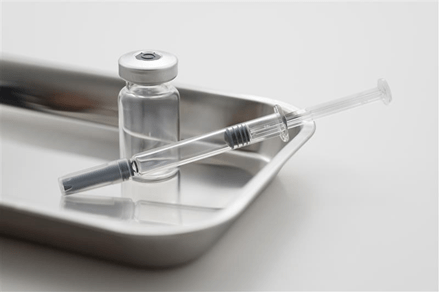
When a packaging related challenge arises, the root cause is not always the primary container itself. More often, it can be traced to the interactions between materials, components, assembly processes, and performance requirements that exist throughout the product lifecycle.
As injectable therapies become increasingly involved, successful packaging strategies require a deeper understanding of how these factors work together to support product quality, functionality, manufacturability, and reliability. While primary containers are often the most visible element of a package, the components patients don’t see may have the greatest influence on product performance.
Why Individual Components Matter
Parenteral packaging consists of far more than a primary container. Closures, plungers, seals, coatings, and delivery interfaces each serve a specific purpose in maintaining sterility, protecting product quality, and supporting reliable administration. While these components are often evaluated individually, their performance is closely interconnected.
The performance of parenteral packaging depends not only on the individual components selected, but also on how those components interact throughout the drug product lifecycle.
For example, the interface between a stopper and a vial finish plays a critical role in maintaining closure integrity. In syringe and cartridge systems, interactions between elastomeric components and container surfaces can influence functionality and delivery performance. Even assembly processes such as stopper placement, plunger insertion, and capping can affect package performance if not carefully controlled. Seemingly, minor changes can have downstream effects on product quality, manufacturability, and delivery performance. A component selected to improve one aspect of a package may introduce new considerations elsewhere if those interactions are not fully understood.
These realities highlight an important aspect of modern packaging development: successful outcomes depend on selecting the right components, and understanding how they perform together throughout manufacturing, storage, distribution, and use.
Material Selection Is About More Than Compatibility
One of the most important considerations in parenteral packaging is material selection.
Historically, glass has been widely used for parenteral applications due to its transparency, barrier properties, chemical resistance, and established regulatory history. More recently, polymer technologies such as cyclic olefin polymer (COP) and cyclic olefin copolymer (COC) have expanded the range of available options, particularly for applications requiring enhanced durability or compatibility with advanced delivery platforms.
While compatibility is often the starting point, material selection requires a broader evaluation that may include:
- Sterilization compatibility
- Barrier performance
- Mechanical durability
- Cold chain requirements
- Manufacturing considerations
- Long term stability expectations
- Delivery platform integration
The most appropriate material is rarely determined by a single attribute. Instead, developers must balance performance requirements against the needs of the drug product, manufacturing process, and intended delivery strategy.
Storage and distribution conditions may also influence packaging performance. Products requiring cold storage introduce additional mechanical and material aspects that are important when evaluating package suitability throughout the product lifecycle.
Material-specific considerations also influence development decisions. When it comes to glass, developers often evaluate factors such as breakage resistance, surface durability, and the potential for delamination which may affect product quality, particulate profiles, manufacturing operations, and overall package performance.
Material selection made early in development influences downstream activities including stability studies, regulatory submissions, manufacturing scalability, and commercial distribution.
The Components Patients Don’t See May Have the Greatest Impact
Some of the most critical packaging decisions involve components that receive little attention outside of development teams.
Parenteral components, including stoppers, plungers, and seals, sit at the interface between the drug product and the external environment. These components play an essential role in maintaining sterility, supporting functionality, and protecting product quality.
When evaluating elastomeric components, developers may consider:
- Extractables and leachables profiles
- Seal integrity
- Compression performance
- Moisture and gas permeability
- Sterilization compatibility
- Particulate generation potential
- Long-term performance characteristics
For sensitive formulations, particularly biologics or biosimilars, these considerations become increasingly important, as minor interactions may affect stability, aggregation behavior, particulate profiles, or overall drug product efficacy.
This is one reason packaging development has evolved beyond simply asking whether a component is compatible with a drug formulation. Developers must also evaluate whether that component can consistently perform under intended real-world conditions throughout the product lifecycle.
Successfully navigating these considerations often requires close collaboration between drug developers, component suppliers, device manufacturers, and other stakeholders throughout development.
Compatibility Is Only Part of the Story
One of the most significant shifts in modern packaging development is the recognition that functional performance can be just as important as material compatibility. This is particularly important in prefilled syringe and cartridge systems, where component movement directly influences delivery performance. Plunger performance, for example, can affect:
- Break loose force
- Glide force consistency
- Dose delivery performance
- Device functionality
- User experience
Similarly, cartridge systems require careful consideration of plunger movement, seal performance, pressure management, and device compatibility.
Managing technical risk requires looking beyond material compatibility alone. Even when materials remain unchanged, dimensional tolerances and component variability can influence assembly performance, functionality, and manufacturing efficiency. Small differences may affect how components interact during filling, assembly, storage, or administration.
As delivery systems become more complex, evaluating functional performance alongside material compatibility has become an essential part of package development. Components that perform well during early development must also demonstrate consistent performance as manufacturing scales toward commercial production.
Common Packaging Challenges and Development Considerations
Significant packaging challenges may arise from the interaction between materials, component design, manufacturing processes, storage conditions, and delivery requirements.
The following considerations are commonly evaluated throughout development because they can influence product quality, functionality, manufacturability, and ultimately patient experience:
Container Closure Integrity
- Maintaining sterility throughout a product’s shelf life remains one of the most fundamental requirements of parenteral packaging.
- Container closure integrity can be influenced by component design, material properties, assembly processes, transportation conditions, and storage environments. Maintaining package integrity throughout the product lifecycle is critical to preserving sterility and product quality.
Extractables and Leachables
- Because packaging materials remain in contact with drug products for extended periods of time, understanding potential interactions is essential.
- Extractables and leachables studies help developers evaluate potential risks associated with packaging materials and support informed decision making throughout development. These assessments play an important role in supporting product quality, patient safety, and regulatory expectations.
Particulate Control
- Particulates may originate from multiple sources, including component abrasion, elastomer fragmentation, container surface defects, silicone oil, manufacturing operations, and material related challenges such as glass delamination.
- Managing particulate risk requires attention to material selection, component design, assembly processes, and handling practices throughout the product lifecycle. Effective particulate control helps support product quality and reduce potential risks during development and commercialization.
Silicone Oil Considerations
- Silicone oil is commonly used in syringe systems to support component movement and functionality. While highly effective for lubrication, developers may also evaluate its potential impact on particulate profiles, protein interactions, and long-term product stability.
- As biologics and other sensitive formulations continue to grow, lubrication strategies remain an important consideration during package development, particularly when balancing functionality with formulation compatibility.
Device Integration
- The continued growth of autoinjectors, wearable injectors, and other advanced delivery technologies has increased the importance of component performance.
- Packaging components must not only protect the drug product but also function reliably within increasingly sophisticated delivery platforms. This requires early evaluation of mechanical performance, dimensional consistency, functionality, and user experience. As packaging and device performance become increasingly interconnected, early assessment can help support successful integration and reduce development risk.
Key Takeaways
Successful parenteral packaging development requires more than selecting compatible materials. There are many milestones to consider:
- Understanding how components interact throughout the product lifecycle
- Evaluating both material compatibility and functional performance
- Identifying technical risks early in development
- Considering manufacturability alongside product performance
- Understanding how packaging decisions may influence stability, delivery performance, and commercialization
- Recognizing that seemingly small component decisions can have significant downstream impacts
No single component or material determines success. Rather, successful packaging strategies are built through a comprehensive understanding of how materials, components, and performance requirements interact throughout the product lifecycle.
Final Thoughts
Throughout this series, we have explored the fundamentals of parenteral packaging, common packaging formats, and the materials, components, and performance considerations that support successful package development.
While compatibility remains a foundational consideration, successful outcomes depend much more than material selection alone. Every component must consistently perform throughout filling, assembly, storage, transportation, and administration. The ability to balance compatibility, functionality, manufacturability, and risk is what ultimately supports reliable product performance and successful commercialization.
As injectable therapies become further advanced, the components patients may not see are important contributors to drug product effectiveness, so the medicine is administered as intended. Understanding how packaging components interact, perform, and influence drug product quality throughout its lifecycle is essential for safe, effective, and reliable therapies for patients around the world.
At West, our Technical Customer Support (TCS) team will help to guide packaging decisions that support immediate development milestones and long-term lifecycle strategy. Get in touch with us here to start the conversation.
This is the last installment of a 3-part series.To read part one, An Introduction to Parenteral Packaging: The Backbone of Safe and Effective Injectable Drug Delivery, please click here.
To read part two, How to Choose Parenteral Packaging: A Practical Guide to Vials, Prefillable Syringes, and Cartridges, click here


 English
 Chinese